Welcome to our comprehensive guide on aluminum casting, a versatile and essential process in modern manufacturing. Aluminum casting involves pouring molten aluminum into molds to create intricate parts and components, offering unmatched strength, precision, and durability. From automotive parts to aerospace components, aluminum castings are fundamental in various industries. This guide explores the diverse methods of aluminum casting, including die casting, and investment casting, highlighting their unique advantages and applications. Whether you’re a seasoned professional or new to the field, discover the techniques, benefits, and innovations shaping the world of aluminum casting today.

Aluminum Casting
Aluminum Casting: A Guide to Aluminum Castings and Casting Techniques
Understanding the Aluminum Casting Process
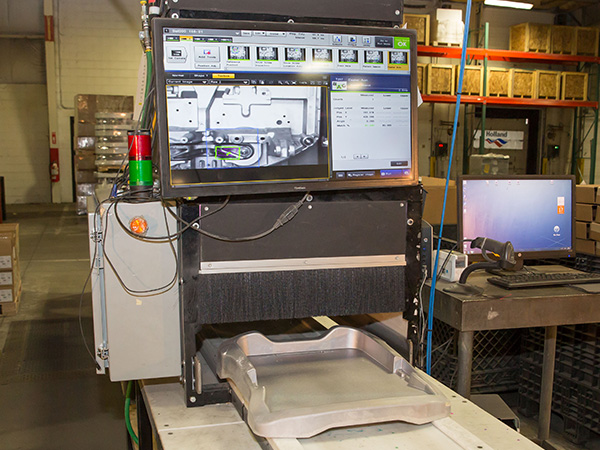
The aluminum casting process is a pivotal aspect of manufacturing, offering a fusion of advanced techniques and material science. Whether you’re crafting delicate components or robust industrial parts, mastering this process is essential. In this section, we delve into the detailed workings of aluminum casting. From understanding the basic principles to exploring specific types of casting methods and the role of metal foundries, each subtopic enlightens you on the procedures and challenges involved in producing high-quality cast aluminum components. Let’s unravel the complexities and benefits that lie within this fascinating process.
The Importance of Selecting the Right Mold
In the world of aluminum casting, choosing the right mold is a crucial step in ensuring the quality and consistency of the final product. A well-designed mold can dramatically affect the outcome of casting processes, from the physical characteristics of an aluminum cast to the efficiency of metal production. In this section, we’ll explore the intricate factors that go into the design process, focusing specifically on the essentials of mold selection and the impact it has on the quality of aluminum castings. Let’s delve into these critical considerations.
Factors to Consider When Designing a Mold
Designing a mold for aluminum casting requires balancing technical precision and practical know-how. When creating a mold, consider the type selected, as it directly impacts the properties of the aluminum cast. Permanent mold casting offers durability, perfect for high-volume production, albeit with higher material costs and complexity. Each casting technique—gravity, low-pressure, or vacuum—imposes unique stressors, affecting surface finish and metallurgical properties. Mold design must account for these, starting with understanding the casting type and goals. The pattern used predicts shrinkage and thermal effects, optimizing metal distribution and ensuring uniform solidification. Selecting the right metal or alloy for mold construction is vital, as it must endure high temperatures without structural degradation. High thermal conductivity metals aid in uniform solidification. Additionally, the mold’s venting and runner systems ensure efficient molten metal flow. Designing molds for ease of assembly and disassembly enhances production efficiency, advancing aluminum casting innovation.
Applications of Aluminum Cast Products
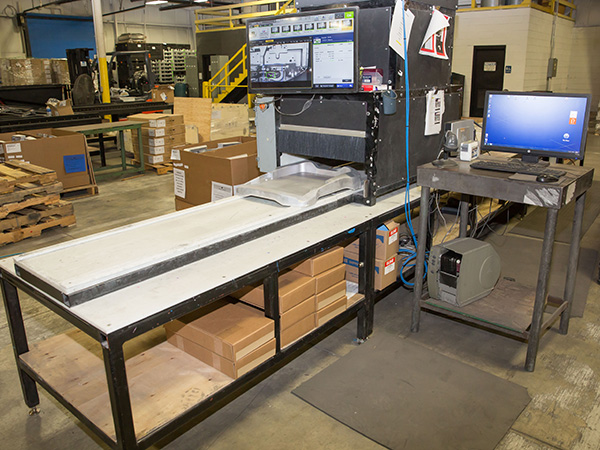
Aluminum cast products are integral to many industries, valued for their versatility and strength. This section explores the vast applications of aluminum cast parts, focusing on the industries that heavily depend on these components. We’ll dive into common industries utilizing aluminum castings, highlighting the vital roles they play. Aluminum castings enhance functionality and efficiency across various sectors, proving to be indispensable assets. As we explore these industries, we’ll uncover the specifics of how aluminum contributes to advancements and operational success. Discover how different sectors capitalize on the unique properties of aluminum cast components.
Common Industries Utilizing Aluminum Castings
Aluminum castings are a cornerstone in a variety of industries, each harnessing the unique properties of aluminum to enhance performance, efficiency, and cost-effectiveness.
One of the most prominent sectors benefiting from aluminum parts is the automotive industry. Here, aluminum castings are employed in engine parts, transmission housings, and structural components. These aluminum parts contribute significantly to reducing the overall weight of vehicles, which in turn improves fuel efficiency and lowers emissions. Given the global push for green technology, this quality makes aluminum an attractive option for automotive companies seeking to meet strict environmental regulations. Moreover, the recyclability of aluminum ensures that environmental impact is minimized, aligning with the industry’s sustainability goals.
Aerospace is another key industry that relies heavily on high-quality aluminum castings. The demand for lightweight and strong materials in aircraft construction is paramount, where aluminum parts such as fuselage panels, brackets, and seats are utilized. Aluminum’s properties not only contribute to a reduction in aircraft weight, thereby enhancing fuel efficiency, but also offer excellent resistance to corrosion. This corrosion resistance is particularly vital for the aerospace sector, where safety and durability are non-negotiable. Aerospace companies often collaborate with foundries like Watry to develop custom castings that meet stringent specifications, ensuring maximum safety and performance in the skies.
The construction industry also leverages aluminum castings extensively. Aluminum is used for window frames, curtain wall systems, and roofing, appreciated for its strength-to-weight ratio and aesthetic versatility. Its ability to withstand harsh weather conditions without losing integrity makes it an ideal choice for architectural applications. Companies in this sector benefit from aluminum’s ease of fabrication and installation, which can significantly reduce construction time and labor costs. The blend of function and form that aluminum offers ensures it remains a top choice for innovative design and construction.
In the electronics industry, aluminum castings serve crucial roles, particularly in the casing and heat sinks for devices. Aluminum’s excellent thermal conductivity helps dissipate heat, preventing overheating of electronic components, thereby extending their lifespan and reliability. As electronic devices become more compact and power-intensive, the demand for efficient thermal management solutions increases, placing aluminum at the forefront of this industry.
Manufacturing companies often utilize aluminum castings to design components that are not only functional but also help maintain the sleek, modern aesthetics desired in consumer electronics.
The marine industry also capitalizes on the benefits of aluminum castings. Vessels rely on aluminum parts for hulls, decks, and other structural elements due to the metal’s corrosion resistance and lightweight nature. This reduces the overall load, allowing ships to achieve better speed and fuel economy, essential for long voyages. The industry’s need for materials that can withstand the rigors of saline environments makes aluminum the metal of choice for both commercial and military applications.
Each of these industries exemplifies the diverse applications of aluminum cast products, underscoring the adaptability and indispensability of aluminum in modern manufacturing. Foundries, particularly those aligned with innovative practices like Watry, are at the forefront of meeting these demands, producing high-quality, reliable castings that cater to the specialized needs of varied sectors.
As a metal foundry worker, it is fascinating to see how aluminum, through innovative casting techniques, continues to revolutionize industries, setting new benchmarks for performance and sustainability. This ongoing adaptation and application of aluminum castings across multiple industries affirm their critical role in advancing technology and efficiency worldwide.
Advancements in Furnace Technology for Casting
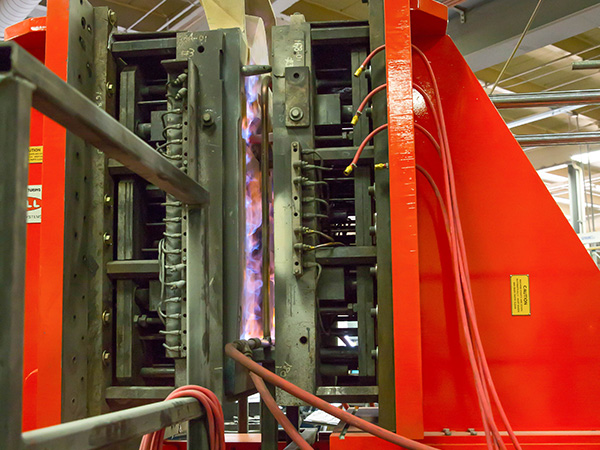
The evolution of furnace technology has revolutionized the aluminum casting industry, bringing significant improvements in efficiency, quality, and consistency. Modern advancements in furnace designs and operations allow foundries to optimize the casting process, meeting the increasing demands for high-quality aluminum products. This section explores how furnace innovations impact aluminum quality, examining both the technological developments and their practical implications. By understanding these advancements, foundries like Watry can harness the full potential of aluminum casting, providing superior solutions to industries relying on this versatile metal.
How Furnace Innovations Impact Aluminum Quality
Aluminum quality in casting is significantly influenced by the capabilities of the furnaces used throughout the production process. The continuous development in furnace technology plays a crucial role in shaping the quality of aluminum cast products. Innovations in furnace design and functionality are paving the way for improvements in temperature control, energy efficiency, and environmental impact, all of which are pivotal in producing aluminum with the desired metallurgical properties.
One of the foremost innovations in modern furnace technology is the implementation of advanced control systems. These systems offer precise regulation of temperature and atmosphere, crucial for maintaining the optimal conditions needed for aluminum casting. Temperature control is fundamental in preventing defects such as porosity and cracking, which can degrade the quality of the aluminum. Through enhanced control, foundries can ensure that the aluminum is evenly heated, reducing inconsistencies and leading to superior product quality.
Moreover, energy-efficient furnaces are transforming the aluminum casting landscape by reducing operational costs and environmental impact. The integration of regenerative burners and waste heat recovery systems into furnace designs has drastically cut down on energy consumption. These advancements not only lower the carbon footprint of casting operations but also translate into cost savings. As a worker in the field, I can attest to the importance of these innovations in promoting sustainable practices without sacrificing quality.
The reduction of harmful emissions is another critical area where furnace technology is making strides. Environmental regulations are becoming more stringent, and foundries must adapt to these changes. Modern furnace designs incorporate cleaner combustion technologies, ensuring compliance with environmental standards. This adjustment allows aluminum casting operations, like those at Watry, to reduce their ecological impact while still producing high-grade aluminum parts.
In addition to energy and environmental benefits, the latest furnace technologies offer increased automation and flexibility in casting processes. Automated systems allow for real-time monitoring and adjustments, enhancing the efficiency of casting operations. These systems provide feedback that helps in identifying and rectifying potential issues promptly, thus maintaining the consistency of the aluminum quality. Moreover, the flexibility afforded by modern furnaces enables rapid switching between different casting alloys and batch sizes, catering to diverse production demands without compromising quality standards.
Furthermore, the introduction of digitalization and IoT (Internet of Things) into furnace operations marks a significant advancement in the industry. These technologies facilitate seamless communication between different stages of the casting process, providing valuable data insights for improving decision-making. By leveraging IoT, foundries like Watry can predict maintenance needs, optimize furnace performance, and reduce downtime, all contributing to enhanced aluminum quality.
As the industry moves towards these modern furnaces’ widespread adoption, the impact on aluminum casting quality is undeniably positive. Foundries that invest in cutting-edge furnace technologies position themselves as leaders in producing top-quality aluminum cast products, meeting the high standards demanded by industries such as aerospace, automotive, and construction. By embracing these advancements, a foundry worker can ensure that aluminum casting not only meets but exceeds client expectations, reinforcing the material’s reputation as a cornerstone of modern manufacturing. It’s this continuous innovation and dedication to quality that keeps Watry and its ilk at the forefront of the industry, enabling them to uphold a legacy of excellence in aluminum casting.
Advantages of Using Aluminum in Casting
Aluminum casting has long been a staple in modern manufacturing, thanks to its numerous benefits and advantages over other materials. The unique properties of aluminum make it particularly suitable for a wide range of applications, from automotive and aerospace industries to construction and electronics. This section will delve into the compelling reasons why aluminum stands out as a preferred material in casting processes. We will explore how aluminum benefits manufacturing processes compared to other metals, highlighting its advantages and high strength-to-weight ratio in various casting methods.
Benefits Over Other Casting Materials
When it comes to casting, aluminum’s superiority over other materials is due to its balance of properties, notably its high strength-to-weight ratio. This characteristic makes it especially valuable in industries like automotive and aerospace, where reducing weight without sacrificing strength is crucial. Aluminum provides an exceptional combination of lightness and durability, allowing for the creation of components that are both robust and efficient. This stands in stark contrast to heavier metals that might offer comparable strength but add unwanted weight to the final product. As a metal foundry worker at Watry, I’ve seen firsthand how the weight reduction afforded by aluminum can lead to significant enhancements in fuel efficiency, conservation of resources, and overall product performance.
The benefits extend beyond just weight considerations. Aluminum boasts excellent corrosion resistance, a trait further elevating its appeal over materials like steel and iron, which may succumb to rust in harsh environments. Specifically, in industries where exposure to the elements is continuous, such as marine or outdoor applications, the use of aluminum can enhance the longevity and reliability of cast components. In contrast, metals with poor corrosion resistance require additional coatings or treatments to withstand similar conditions, driving up production costs and maintenance burden.
Another advantage of aluminum casting lies in its exceptional thermal and electrical conductivity. As metal workers, we understand how these properties can be leveraged to create components like heat exchangers or electrical connectors, where efficient heat dissipation and electrical conductivity are paramount. Other metals may fail in providing the same level of performance without requiring costly additives or complex designs. Aluminum’s ability to conduct heat effectively translates into extended component life and improved safety — a critical consideration when manufacturing components for electronics or automotive systems.
The recyclability of aluminum further underscores its advantages as a casting material. Environmental sustainability is becoming increasingly important across all industries, and aluminum’s ability to be recycled without loss of properties ensures minimal environmental impact. At Watry, this is part of our commitment to sustainable practices, utilizing aluminum’s recyclability to reduce waste and lower production costs. Unlike some metals that deteriorate during recycling, aluminum retains its desirable properties, making it a practical and eco-friendly choice.
Cost-effectiveness is also a notable aspect, particularly in high-volume production scenarios. The lighter weight of aluminum simplifies transportation and handling logistics within the manufacturing arena, reducing overall costs associated with material movement and labor. In some cases, casting complex shapes can be equally or more affordable with aluminum, due to its fluidity and lower melting point compared to other metals. This property allows for more intricate designs without excessive energy expenditure, facilitating innovative product development while maintaining budget constraints.
In summary, the use of aluminum in casting offers myriad benefits over other materials, which not only improve the functionality and efficiency of the products manufactured but also support sustainability and cost-effectiveness. As professionals in the field, we see aluminum’s contributions to process enhancements and its role in advancing technological frontiers continuously realized. These advantages make aluminum an indispensable ally in modern casting operations, propelling industries towards greater performance and innovation. Foundries like Watry, which leverage these attributes, maintain their competitive edge while fulfilling the evolving demands of global markets.

Challenges and Solutions in Aluminum Casting
Aluminum casting, like any manufacturing process, comes with its set of challenges. Addressing these challenges efficiently ensures the production of high-quality aluminum components, crucial for competitive industries. In this section, we’ll focus on the common issues encountered in aluminum casting and explore practical solutions to overcome them. The insights provided will highlight the importance of understanding these challenges and the innovative approaches necessary to address them, ensuring optimal casting performance and product excellence.
Common Issues and How to Overcome Them
At the core of aluminum casting, common issues like porosity and shrinkage defects can occur, compromising casting quality. Porosity results from gas pockets forming within the aluminum, but utilizing vacuum casting techniques and advanced degassing methods can minimize this issue. Real-time monitoring systems further help overcome porosity. Shrinkage happens when aluminum contracts as it cools. Designing molds with precise feeder systems to compensate for volume decrease and using simulation software to predict shrinkage behavior can overcome this hurdle. Surface defects, often from thermal stress or contamination, can be minimized by controlling cooling rates and conducting pre-casting checks. Finally, maintaining tight dimensional tolerances is vital, especially in aerospace sectors. Low-pressure casting methods, along with 3D modeling techniques, improve dimensional accuracy. Addressing environmental impacts through energy-efficient furnaces and recycling initiatives also enhances sustainability. Proactive solutions in aluminum casting ensure high-quality, reliable results while adhering to industry standards.
Future Trends in Aluminum Casting Techniques
As the manufacturing landscape evolves, innovations in aluminum casting techniques continue to shape the future. This section explores the emerging trends in aluminum casting, focusing on technological advancements poised to revolutionize the industry. We’ll examine how automation and artificial intelligence are enhancing precision and efficiency. Additionally, we’ll delve into how sustainability is influencing aluminum casting techniques, and how additive manufacturing is becoming an integral part of the casting ecosystem. These subtopics shed light on the exciting future of aluminum casting, offering a glimpse into the cutting-edge processes redefining the field.
In conclusion, aluminum casting stands as a pivotal technique in modern manufacturing, offering a versatile range of applications from automotive to aerospace industries. By understanding the diverse casting methods and materials involved, manufacturers can optimize production for durability, cost-effectiveness, and precision. Whether you are a seasoned professional or new to the field, staying informed about the latest advancements and best practices in aluminum casting will ensure success in your projects. We hope this guide has provided valuable insights to help you navigate the dynamic world of aluminum castings with confidence.