
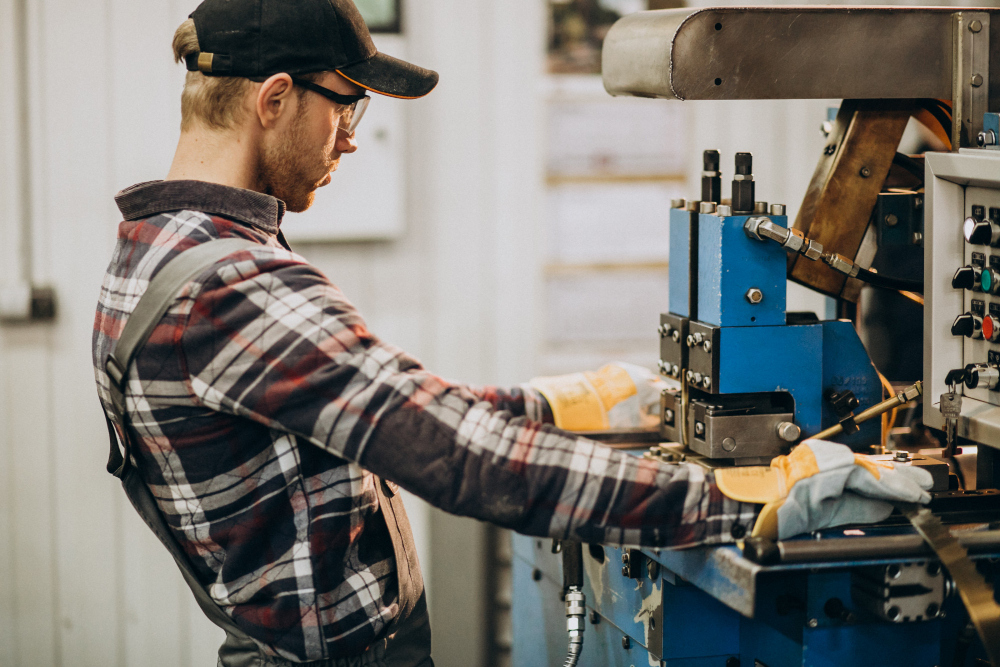
Automation is a primary driver of efficiency in modern aluminum foundries. By replacing manual processes with robotics and controlled systems, manufacturers can increase throughput, reduce variability, and maintain consistent production performance.
For OEMs and procurement teams, efficiency is not just about speed. It is about producing high-quality components at scale with predictable timelines and controlled costs. Automated foundries are designed to achieve these outcomes through repeatable, data-driven production systems.
What Does Automation Look Like in an Aluminum Foundry?
Automation in aluminum casting extends across multiple stages of production, from molten metal handling to finishing operations.
Common automated systems include:
- Robotic pouring and metal transfer
- Automated mold handling and extraction
- Integrated machining and finishing cells
- Conveyor and material handling systems
These systems work together to create a continuous, controlled production environment that minimizes interruptions and inefficiencies.
How Does Automation Increase Production Throughput?
Throughput is one of the most direct measures of foundry efficiency.
Automation increases throughput by:
- Maintaining consistent cycle times across production runs
- Reducing downtime between operations
- Allowing parallel processing through multiple automated cells
- Supporting continuous operation across shifts
With predictable and repeatable cycles, manufacturers can produce higher volumes without sacrificing quality or extending lead times.
How Does Automation Reduce Variability?
Manual processes introduce variability that can impact both quality and production speed.
Automation reduces variability by:
- Standardizing each step of the casting process
- Eliminating inconsistencies in pouring and handling
- Maintaining controlled process parameters
- Reducing dependence on manual labor
This consistency leads to more stable production and fewer disruptions caused by defects or rework.
What Role Does Automation Play in Process Control?
Process control is essential for maintaining efficiency and product quality.
Automated systems enable:
- Real-time monitoring of production variables
- Immediate detection of deviations from set parameters
- Data collection for performance analysis and optimization
This level of control allows manufacturers to maintain stable operations and quickly address issues before they impact production timelines.
How Does Automation Improve Labor Efficiency?
Automation allows foundries to optimize how labor is used within the production environment.
Instead of performing repetitive or physically demanding tasks, skilled operators focus on:
- Monitoring system performance
- Managing production flow
- Performing quality checks and adjustments
- Supporting continuous improvement initiatives
This shift increases overall efficiency while reducing the risk of human error.
How Does Automation Support Quality and Reduce Waste?
Efficiency is closely tied to quality. When defects occur, production slows due to rework or scrap.
Automation improves quality by:
- Maintaining consistent pouring and cooling conditions
- Reducing handling-related damage
- Ensuring repeatable process execution
As a result, scrap rates decrease, rework is minimized, and production remains on schedule.
How Does Automation Enable Scalable Production?
Scalability is critical for manufacturers serving both low-volume and high-volume production needs.
Automated foundries can scale efficiently by:
- Adding or optimizing production cells
- Running extended or continuous production cycles
- Maintaining consistent quality regardless of volume
This flexibility allows manufacturers to respond to changing demand without disrupting existing production schedules.
What Impact Does Automation Have on Lead Times?
Automation contributes directly to shorter and more predictable lead times.
Key benefits include:
- Faster production cycles
- Reduced delays between operations
- Improved scheduling accuracy
- Lower risk of disruptions due to variability
These advantages enable manufacturers to meet delivery commitments more consistently.
How Does Automation Integrate With Machining and Finishing?
Efficiency increases further when automation extends beyond casting into machining and finishing.
Integrated operations allow for:
- Seamless transfer of parts between production stages
- Reduced handling and transportation time
- Coordinated scheduling across all processes
This integration creates a continuous production flow from casting through final part completion.
Why Is Automation a Competitive Advantage?
Manufacturers that invest in automation gain a measurable advantage in efficiency, quality, and reliability.
Automation supports:
- Consistent production performance
- Higher output with controlled costs
- Improved ability to meet tight deadlines
- Reduced risk across the supply chain
For OEMs, this translates into more predictable outcomes and stronger long-term partnerships.
Conclusion: Automation Drives Efficient, Repeatable Production
Automation is not just an enhancement to aluminum casting. It is a foundational component of efficient foundry operations.
By standardizing processes, reducing variability, and enabling scalable production, automation allows manufacturers to operate with precision and consistency at every stage.
Ready to Improve Foundry Efficiency Through Automation?
If efficiency, consistency, and scalability are priorities for your operation, working with an automated aluminum casting partner can provide measurable benefits.
At Watry Industries, automation is integrated across casting, machining, and finishing processes to deliver repeatable production, reduced lead times, and consistent quality at scale.
Speak with our team to discuss your production requirements and efficiency goals.